When the philtrum grows long, the upper lip thins, rolls inward and hides your teeth — and no syringe can fix a length problem. The subnasal lip lift changes the architecture itself: performed personally by Assoc. Prof. Dr. Ayhan Işık Erdal under local anaesthesia, with the scar conversation put first, not last.
Structure versus volume, the millimetre maths, the scar put first, and the assessment that sometimes recommends nothing at all.
Filler adds volume to the lip you have. A lip lift changes the architecture: it shortens the skin between nose and lip, rolls your own vermilion gently outward, and lets your upper teeth show again — no product, nothing added, permanently yours.
The nose-to-lip distance — the philtrum — sits around 11–15 mm in youth and lengthens with age (or arrives long by genetics). When it's long, the upper lip thins, rolls inward and hides the teeth. That measurement, not fashion, is what candidacy rests on.
The incision sits at the base of the nose, designed into its natural shadow. Done well it fades toward invisibility over 12–18 months; done badly it's the procedure's one real failure mode. This site puts the scar conversation first — because you should choose with it, not discover it.
A growing share of patients arrive tired of the 6–12-month refill cycle — or of lips that volume alone made heavier, not younger. A lip lift is the structural exit: one procedure, your own tissue, no maintenance calendar.
Typically 45–90 minutes under local anaesthesia — no general anaesthetic, walk in and walk out. That makes this one of the lightest surgical trips in aesthetic medicine: 5–7 days in Istanbul covers surgery, healing checks and suture removal.
A normal-length philtrum, good tooth show, or a gummy smile that lifting would worsen — each gets a plain 'this operation doesn't serve you,' sometimes with a better alternative attached. The assessment exists to sort that honestly, and 'no surgery' is a respected outcome.
Measure from the base of your nose to the top of your upper lip. Youthful faces carry roughly 11–15 mm there; ageing (or genetics) stretches it beyond 16–18 mm — and as it lengthens, the lip physically thins, rolls inward, and the 2–4 mm of upper-tooth show that reads as youth disappears.
Filler stacks volume onto that stretched lip; a lift shortens the stretch itself — typically removing 3–6 mm of skin, around a quarter to a third of the philtrum, never more, because removed skin cannot be put back. Conservatism isn't a style here; it's the operation's core skill.
Yes, there is one — designed into the nose's natural shadow, matured over 12–18 months to a pale line most people never spot. The whole calendar, the craft variables and the "scarless" red flags live on their own page, because you should choose with the scar, not discover it.
The scar truthMost patients know their millimetres, their scar plan and their written price before booking a single flight.
Relaxed face, front and side, lips at rest — plus, if you like, your philtrum in millimetres (ruler under the nose to the lip's top edge). Dr. Erdal personally assesses length, lip roll, tooth show and skin.
What a lift would change for you in millimetres, where your scar would sit, and — when true — 'filler serves you better' or 'your proportions don't need surgery.'
Surgeon, accredited facility, local anaesthesia, aftercare kit, transfers and follow-up — one figure, no extras later.
Typically 5–7 days: examination and plan confirmation, the procedure (45–90 minutes, local anaesthesia), quiet healing days, suture removal, and a final review before flying.
Conservative skin excision measured in millimetres, muscle handling where indicated, and a closure designed for the shadow line — every stitch by Dr. Erdal's hand.
Photo reviews as swelling settles, scar-care coaching through the 12–18 month maturation, and the honest verdict reached together.
Direct flights from London, Manchester, Edinburgh and Dublin, ~4 hours. A 5–7 day trip — and a local-anaesthesia procedure — make this an easy single week away.
Direct routes from New York, Chicago, Toronto and more (9–11h). Suture removal before flying means you land home with nothing left to arrange.
Frankfurt, Berlin, Copenhagen, Stockholm, Oslo and Helsinki connect directly in ~3–4 hours — a long-weekend-plus trip for many patients.
Istanbul is one of the world's best-connected hubs — and the lightest recovery in facial surgery suits even long-haul returns.
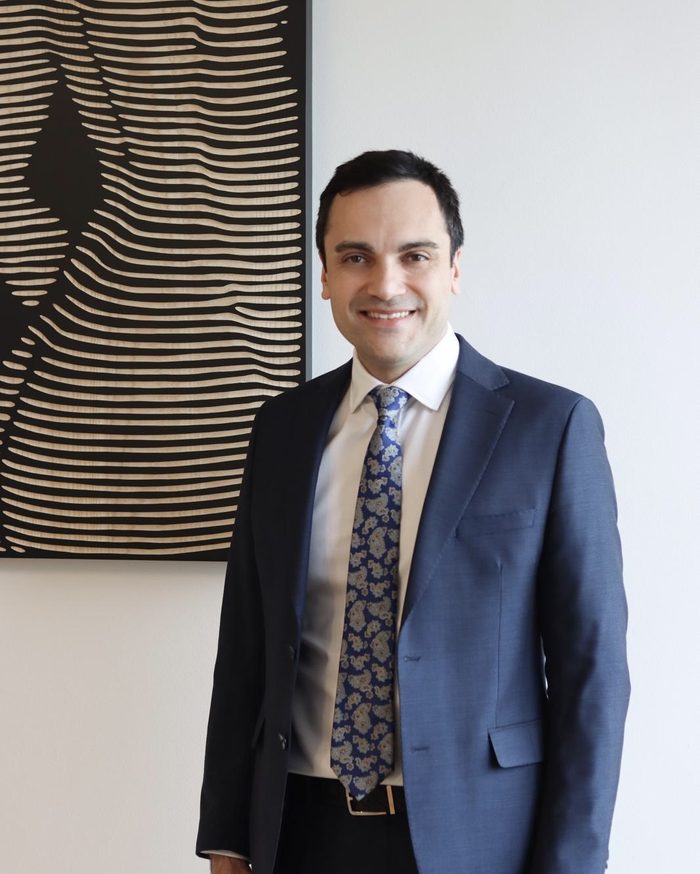
A double board-certified plastic & reconstructive surgeon who treats the face's most-watched square inch with millimetre humility.
Structure versus volume, permanence versus refills, and the duck-lip mechanism explained — the comparison from a practice that will still recommend filler when it's right.
A ruler, a mirror, thirty seconds — the millimetre self-test that predicts whether a lip lift would change anything for you.
Where the incision hides, the 12–18 month fading timeline, what good closure design looks like — and why 'scarless' claims are the niche's biggest red flag.
Two relaxed-face photos, a smile photo, and — if you like — your philtrum in millimetres. Dr. Erdal replies with the honest read: what a lift would change for you, where the scar would sit, and a written all-inclusive quote. Sometimes the answer is "you don't need this" — that's free too.
WhatsApp photos now